
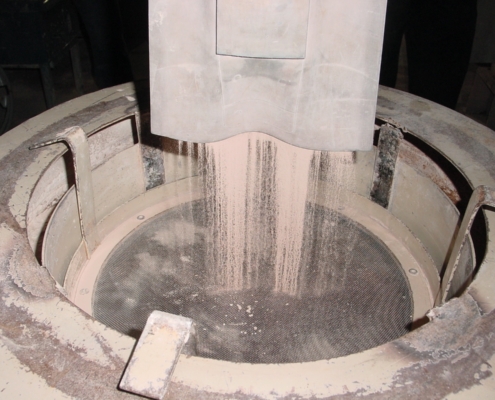
 https://www.dustcollectorhq.com/wp-content/uploads/Anhydro-VacuValve-Ceramic_Spray_Dryer1.jpg
1200
1600
dust-admin
https://www.dustcollectorhq.com/wp-content/uploads/Aerodyne_logo-white-background.gif
dust-admin2025-01-27 20:42:002025-11-11 09:26:59Revolutionizing Dust Collection: Aerodyne Vacu-Valve vs. Rotary Airlocks | Aerodyne
https://www.dustcollectorhq.com/wp-content/uploads/Anhydro-VacuValve-Ceramic_Spray_Dryer1.jpg
1200
1600
dust-admin
https://www.dustcollectorhq.com/wp-content/uploads/Aerodyne_logo-white-background.gif
dust-admin2025-01-27 20:42:002025-11-11 09:26:59Revolutionizing Dust Collection: Aerodyne Vacu-Valve vs. Rotary Airlocks | Aerodyne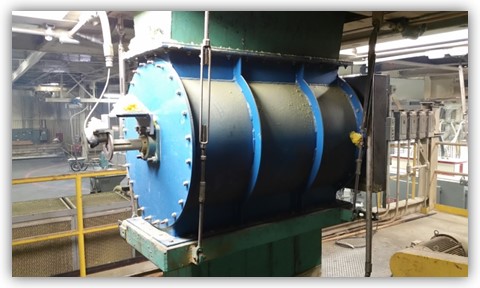 https://www.dustcollectorhq.com/wp-content/uploads/Mighty-Whopper-picture.jpg
288
480
dust-admin
https://www.dustcollectorhq.com/wp-content/uploads/Aerodyne_logo-white-background.gif
dust-admin2024-12-30 19:45:002025-11-11 14:55:04Optimizing Dust Collection Efficiency: Exploring Airlock Alternatives | Aerodyne
https://www.dustcollectorhq.com/wp-content/uploads/Mighty-Whopper-picture.jpg
288
480
dust-admin
https://www.dustcollectorhq.com/wp-content/uploads/Aerodyne_logo-white-background.gif
dust-admin2024-12-30 19:45:002025-11-11 14:55:04Optimizing Dust Collection Efficiency: Exploring Airlock Alternatives | Aerodyne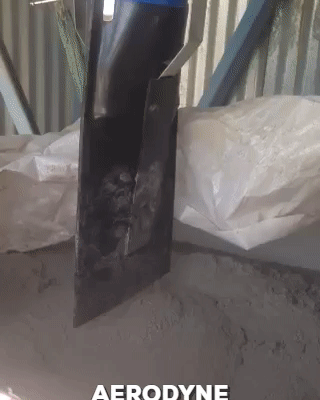 https://www.dustcollectorhq.com/wp-content/uploads/ezgif.com-gif-maker.gif
568
320
dust-admin
https://www.dustcollectorhq.com/wp-content/uploads/Aerodyne_logo-white-background.gif
dust-admin2024-05-27 13:30:002025-11-11 15:29:43When to Use a Non-Powered Automatic Valve for Dust Discharge | Aerodyne
https://www.dustcollectorhq.com/wp-content/uploads/ezgif.com-gif-maker.gif
568
320
dust-admin
https://www.dustcollectorhq.com/wp-content/uploads/Aerodyne_logo-white-background.gif
dust-admin2024-05-27 13:30:002025-11-11 15:29:43When to Use a Non-Powered Automatic Valve for Dust Discharge | Aerodyne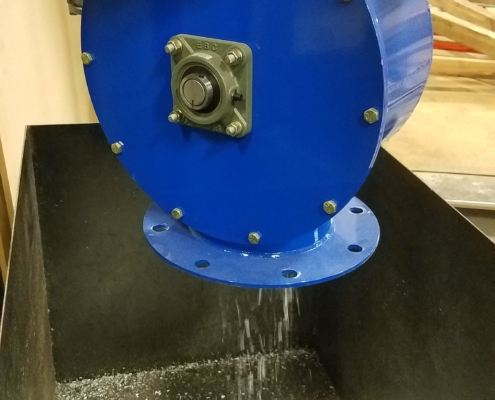 https://www.dustcollectorhq.com/wp-content/uploads/R-Valve-scaled.jpg
2560
1440
dust-admin
https://www.dustcollectorhq.com/wp-content/uploads/Aerodyne_logo-white-background.gif
dust-admin2022-12-23 16:00:002025-11-12 10:36:09Air Leakage in Airlocks | Aerodyne
https://www.dustcollectorhq.com/wp-content/uploads/R-Valve-scaled.jpg
2560
1440
dust-admin
https://www.dustcollectorhq.com/wp-content/uploads/Aerodyne_logo-white-background.gif
dust-admin2022-12-23 16:00:002025-11-12 10:36:09Air Leakage in Airlocks | Aerodyne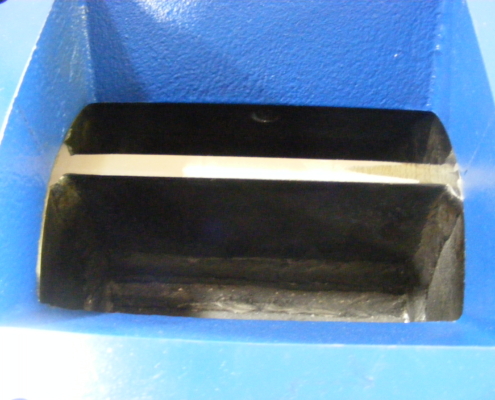 https://www.dustcollectorhq.com/wp-content/uploads/DSCF1648-scaled.jpg
1920
2560
dust-admin
https://www.dustcollectorhq.com/wp-content/uploads/Aerodyne_logo-white-background.gif
dust-admin2022-05-31 17:45:002025-11-12 11:19:31Why Does My Airlock Jam and What Can I Do About It? | Aerodyne
https://www.dustcollectorhq.com/wp-content/uploads/DSCF1648-scaled.jpg
1920
2560
dust-admin
https://www.dustcollectorhq.com/wp-content/uploads/Aerodyne_logo-white-background.gif
dust-admin2022-05-31 17:45:002025-11-12 11:19:31Why Does My Airlock Jam and What Can I Do About It? | Aerodyne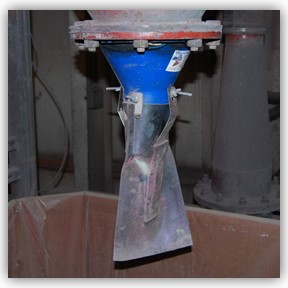 https://www.dustcollectorhq.com/wp-content/uploads/Ceramic-Expo-2018-a.jpg
288
288
dust-admin
https://www.dustcollectorhq.com/wp-content/uploads/Aerodyne_logo-white-background.gif
dust-admin2019-09-30 18:15:002025-10-31 16:18:52Aerodyne Vacu-Valve ® vs. Traditional Rotary Valve | Aerodyne
https://www.dustcollectorhq.com/wp-content/uploads/Ceramic-Expo-2018-a.jpg
288
288
dust-admin
https://www.dustcollectorhq.com/wp-content/uploads/Aerodyne_logo-white-background.gif
dust-admin2019-09-30 18:15:002025-10-31 16:18:52Aerodyne Vacu-Valve ® vs. Traditional Rotary Valve | Aerodyne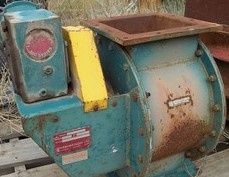 https://www.dustcollectorhq.com/wp-content/uploads/used-rotary-valve.jpg
177
229
dust-admin
https://www.dustcollectorhq.com/wp-content/uploads/Aerodyne_logo-white-background.gif
dust-admin2018-12-13 14:30:002025-10-31 16:15:37Un-powered Valve Saves Initial Cost and Operating Costs over Rotary Airlock Valve
https://www.dustcollectorhq.com/wp-content/uploads/used-rotary-valve.jpg
177
229
dust-admin
https://www.dustcollectorhq.com/wp-content/uploads/Aerodyne_logo-white-background.gif
dust-admin2018-12-13 14:30:002025-10-31 16:15:37Un-powered Valve Saves Initial Cost and Operating Costs over Rotary Airlock Valve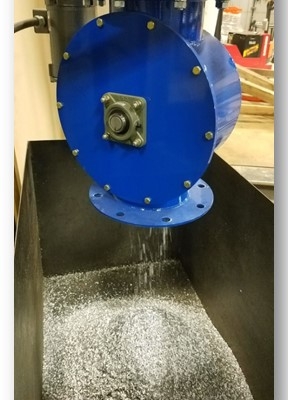 https://www.dustcollectorhq.com/wp-content/uploads/Aerodyne-April-2018-Blog2-picture2.jpg
528
288
dust-admin
https://www.dustcollectorhq.com/wp-content/uploads/Aerodyne_logo-white-background.gif
dust-admin2018-04-19 13:05:002025-10-31 16:14:53Why Are Airlocks Needed Under Dust Collectors?
https://www.dustcollectorhq.com/wp-content/uploads/Aerodyne-April-2018-Blog2-picture2.jpg
528
288
dust-admin
https://www.dustcollectorhq.com/wp-content/uploads/Aerodyne_logo-white-background.gif
dust-admin2018-04-19 13:05:002025-10-31 16:14:53Why Are Airlocks Needed Under Dust Collectors? https://www.dustcollectorhq.com/wp-content/uploads/AER-APR2.jpg
288
720
dust-admin
https://www.dustcollectorhq.com/wp-content/uploads/Aerodyne_logo-white-background.gif
dust-admin2017-04-24 12:30:002025-10-31 16:14:48Dust Collection Systems: 5 Best Solutions of Dust Collection Airlocks
https://www.dustcollectorhq.com/wp-content/uploads/AER-APR2.jpg
288
720
dust-admin
https://www.dustcollectorhq.com/wp-content/uploads/Aerodyne_logo-white-background.gif
dust-admin2017-04-24 12:30:002025-10-31 16:14:48Dust Collection Systems: 5 Best Solutions of Dust Collection Airlocks https://www.dustcollectorhq.com/wp-content/uploads/dr-dust-2.jpg
288
336
dust-admin
https://www.dustcollectorhq.com/wp-content/uploads/Aerodyne_logo-white-background.gif
dust-admin2017-04-10 12:30:002025-10-31 16:14:48Dust Collection Systems: Rotary Valves and NFPA-69
https://www.dustcollectorhq.com/wp-content/uploads/dr-dust-2.jpg
288
336
dust-admin
https://www.dustcollectorhq.com/wp-content/uploads/Aerodyne_logo-white-background.gif
dust-admin2017-04-10 12:30:002025-10-31 16:14:48Dust Collection Systems: Rotary Valves and NFPA-69