
 https://www.dustcollectorhq.com/wp-content/uploads/specialists-in-small-gpc.png
0
0
DC
https://www.dustcollectorhq.com/wp-content/uploads/Aerodyne_logo-white-background.gif
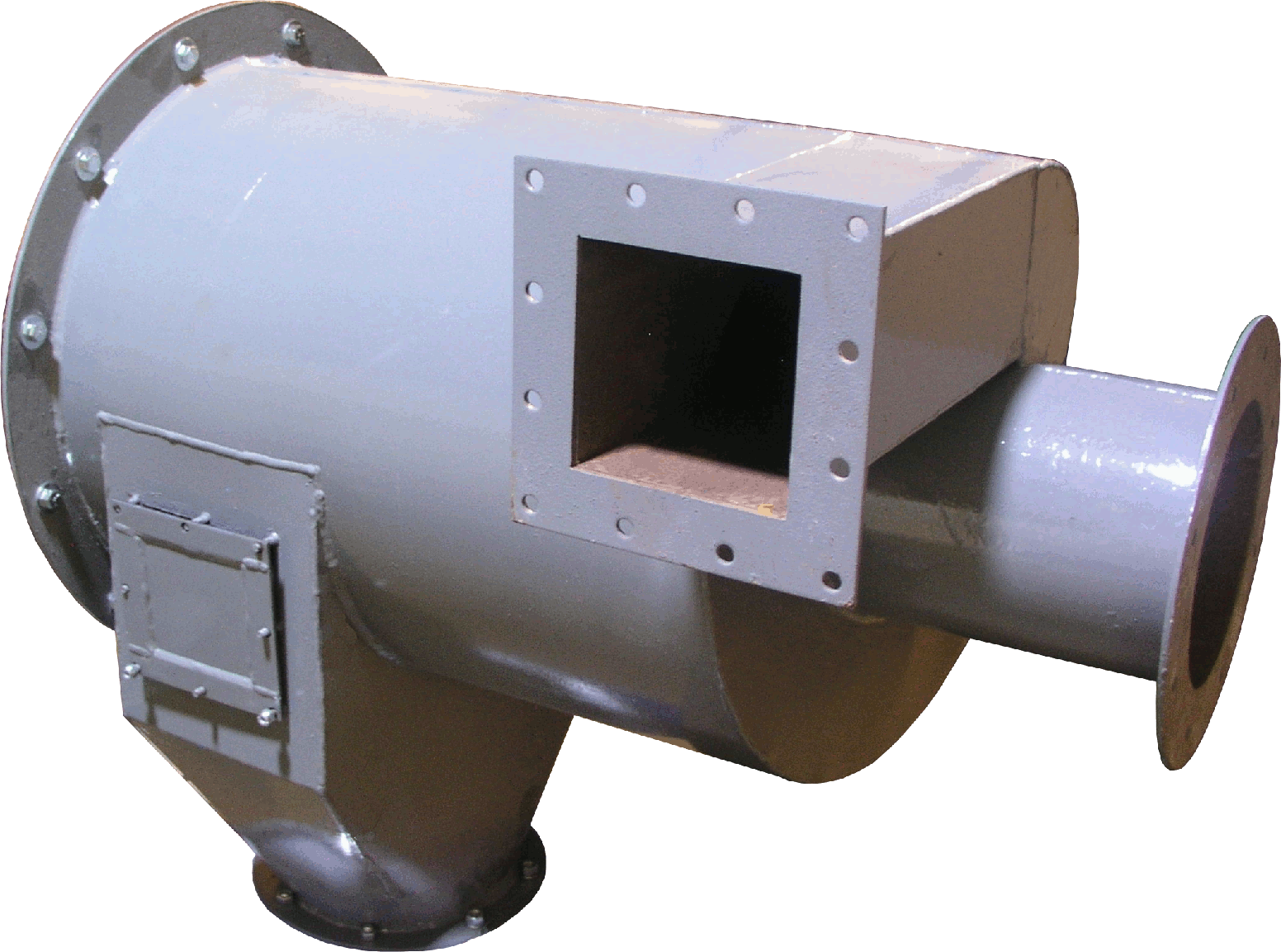
DC2026-07-27 10:00:522026-07-31 09:35:53Foundry Cyclone Pre-filters
https://www.dustcollectorhq.com/wp-content/uploads/specialists-in-small-gpc.png
0
0
DC
https://www.dustcollectorhq.com/wp-content/uploads/Aerodyne_logo-white-background.gif
DC2026-07-27 10:00:522026-07-31 09:35:53Foundry Cyclone Pre-filters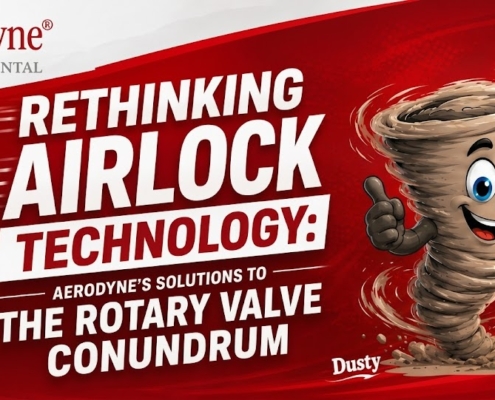 https://www.dustcollectorhq.com/wp-content/uploads/july-2026-featured-image.jpg
541
1024
DC
https://www.dustcollectorhq.com/wp-content/uploads/Aerodyne_logo-white-background.gif
DC2026-07-06 08:39:452026-07-06 08:39:45Rethinking Airlock Technology: Aerodyne’s Solutions to the Rotary Valve Conundrum
https://www.dustcollectorhq.com/wp-content/uploads/july-2026-featured-image.jpg
541
1024
DC
https://www.dustcollectorhq.com/wp-content/uploads/Aerodyne_logo-white-background.gif
DC2026-07-06 08:39:452026-07-06 08:39:45Rethinking Airlock Technology: Aerodyne’s Solutions to the Rotary Valve Conundrum https://www.dustcollectorhq.com/wp-content/uploads/Aerodyne-Blog-Post-June-26-e1781181691513.png
431
600
dust-admin
https://www.dustcollectorhq.com/wp-content/uploads/Aerodyne_logo-white-background.gif
dust-admin2026-06-11 08:42:512026-06-18 15:32:03Reducing Combustible Dust Explosion Risks With a Dust Hazard Analysis | Aerodyne
https://www.dustcollectorhq.com/wp-content/uploads/Aerodyne-Blog-Post-June-26-e1781181691513.png
431
600
dust-admin
https://www.dustcollectorhq.com/wp-content/uploads/Aerodyne_logo-white-background.gif
dust-admin2026-06-11 08:42:512026-06-18 15:32:03Reducing Combustible Dust Explosion Risks With a Dust Hazard Analysis | Aerodyne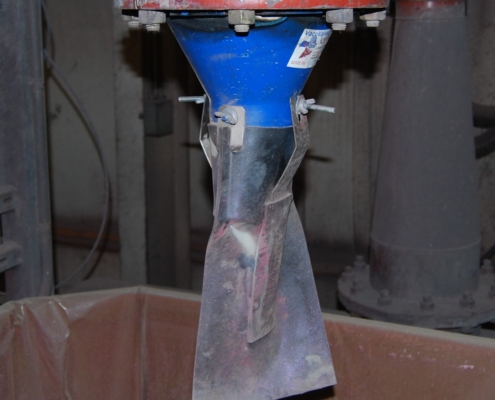 https://www.dustcollectorhq.com/wp-content/uploads/applications-motorlessairlock.jpg
1661
1682
dust-admin
https://www.dustcollectorhq.com/wp-content/uploads/Aerodyne_logo-white-background.gif
dust-admin2026-05-28 10:45:042026-07-29 22:44:35Tired of Constant Rotary Valve Maintenance? A Simpler Alternative for Dust Collection Systems | Aerodyne
https://www.dustcollectorhq.com/wp-content/uploads/applications-motorlessairlock.jpg
1661
1682
dust-admin
https://www.dustcollectorhq.com/wp-content/uploads/Aerodyne_logo-white-background.gif
dust-admin2026-05-28 10:45:042026-07-29 22:44:35Tired of Constant Rotary Valve Maintenance? A Simpler Alternative for Dust Collection Systems | Aerodyne https://www.dustcollectorhq.com/wp-content/uploads/AER-Jan20-Blog2.jpg
480
672
dust-admin
https://www.dustcollectorhq.com/wp-content/uploads/Aerodyne_logo-white-background.gif
dust-admin2026-04-27 14:45:002026-06-03 10:30:11How to Properly Size a Cyclone Dust Collector for Maximum Performance | Aerodyne
https://www.dustcollectorhq.com/wp-content/uploads/AER-Jan20-Blog2.jpg
480
672
dust-admin
https://www.dustcollectorhq.com/wp-content/uploads/Aerodyne_logo-white-background.gif
dust-admin2026-04-27 14:45:002026-06-03 10:30:11How to Properly Size a Cyclone Dust Collector for Maximum Performance | Aerodyne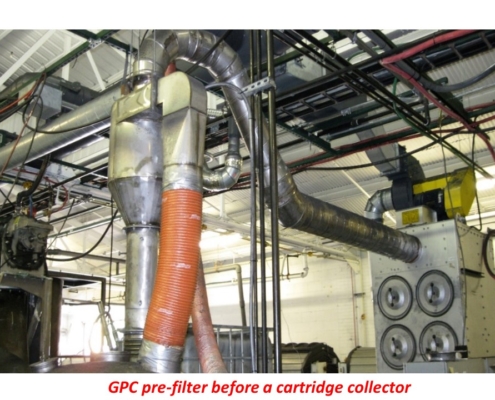 https://www.dustcollectorhq.com/wp-content/uploads/Pre-Filter.jpg
720
1280
dust-admin
https://www.dustcollectorhq.com/wp-content/uploads/Aerodyne_logo-white-background.gif
dust-admin2026-03-16 14:15:002026-05-29 13:19:59Why Your Dust Collector Keeps Losing Efficiency | Aerodyne
https://www.dustcollectorhq.com/wp-content/uploads/Pre-Filter.jpg
720
1280
dust-admin
https://www.dustcollectorhq.com/wp-content/uploads/Aerodyne_logo-white-background.gif
dust-admin2026-03-16 14:15:002026-05-29 13:19:59Why Your Dust Collector Keeps Losing Efficiency | Aerodyne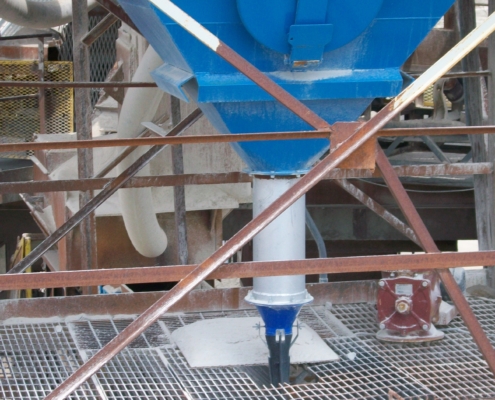 https://www.dustcollectorhq.com/wp-content/uploads/Hanson-Wagner-Quarry-Vacu-Valve2-scaled.jpg
1920
2560
dust-admin
https://www.dustcollectorhq.com/wp-content/uploads/Aerodyne_logo-white-background.gif
dust-admin2026-02-23 20:15:002026-07-29 22:36:53Why Every Dust Collector Needs a Trickle Valve Under the Hopper | Aerodyne
https://www.dustcollectorhq.com/wp-content/uploads/Hanson-Wagner-Quarry-Vacu-Valve2-scaled.jpg
1920
2560
dust-admin
https://www.dustcollectorhq.com/wp-content/uploads/Aerodyne_logo-white-background.gif
dust-admin2026-02-23 20:15:002026-07-29 22:36:53Why Every Dust Collector Needs a Trickle Valve Under the Hopper | Aerodyne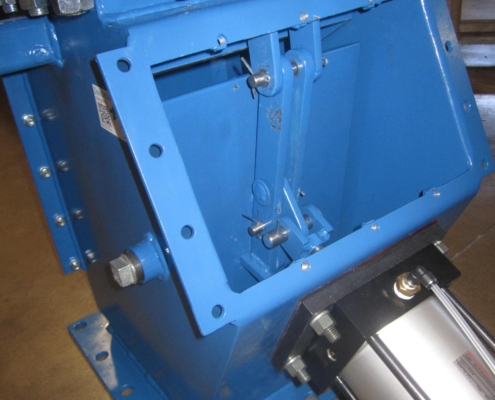 https://www.dustcollectorhq.com/wp-content/uploads/IMG_6384-scaled.jpg
2560
1920
dust-admin
https://www.dustcollectorhq.com/wp-content/uploads/Aerodyne_logo-white-background.gif
dust-admin2026-01-26 21:15:002026-07-29 22:51:16Why a Double-Dump Valve is the Best Choice for Abrasive Materials | Aerodyne
https://www.dustcollectorhq.com/wp-content/uploads/IMG_6384-scaled.jpg
2560
1920
dust-admin
https://www.dustcollectorhq.com/wp-content/uploads/Aerodyne_logo-white-background.gif
dust-admin2026-01-26 21:15:002026-07-29 22:51:16Why a Double-Dump Valve is the Best Choice for Abrasive Materials | Aerodyne